

P.S. – If you would like to receive weekly updates like this, sign up here.
Dear Readers,
Imagine sitting on more than half your portfolio in cash during one of the great bull markets of all time.
Could you do it? Most investors couldn’t. Not because they lack discipline, but because rising markets create a powerful emotion, the fear of missing out.
If you judged markets purely by headlines, you would probably think investors have little to worry about right now.
Every US index is at an all-time high, driven to extremes by AI stocks, the technology that will surely revolutionise the world. Artificial intelligence remains the hottest investment theme on the planet. In many ways, it feels as though the worries of the last few months have been forgotten.
In this market backdrop, why would anyone choose to hold large amounts of cash?
Surely if markets are rising, the smart move is to put more money to work, otherwise you will seriously jeopardise your portfolio…
Right?
This view is only true all bull markets are the same. That’s where things become interesting.
And where you can gain a market edge over everyone else.
Same same (Rally), but different.
What caught my attention wasn’t simply that markets have rebounded.
Everyone can see that.
Since the lows earlier this year, the US markets have staged a remarkable recovery. Investor sentiment has improved, confidence has returned, and many of the fears that dominated the headlines only months ago seem to have faded into the background.
Yet beneath the surface, something else has been happening.
As the chart below shows, an increasing share of the US stock market is now concentrated in just ten companies. In fact, concentration levels are now higher than they were during the Dot-Com Bubble, the Global Financial Crisis, and the COVID-19 period.
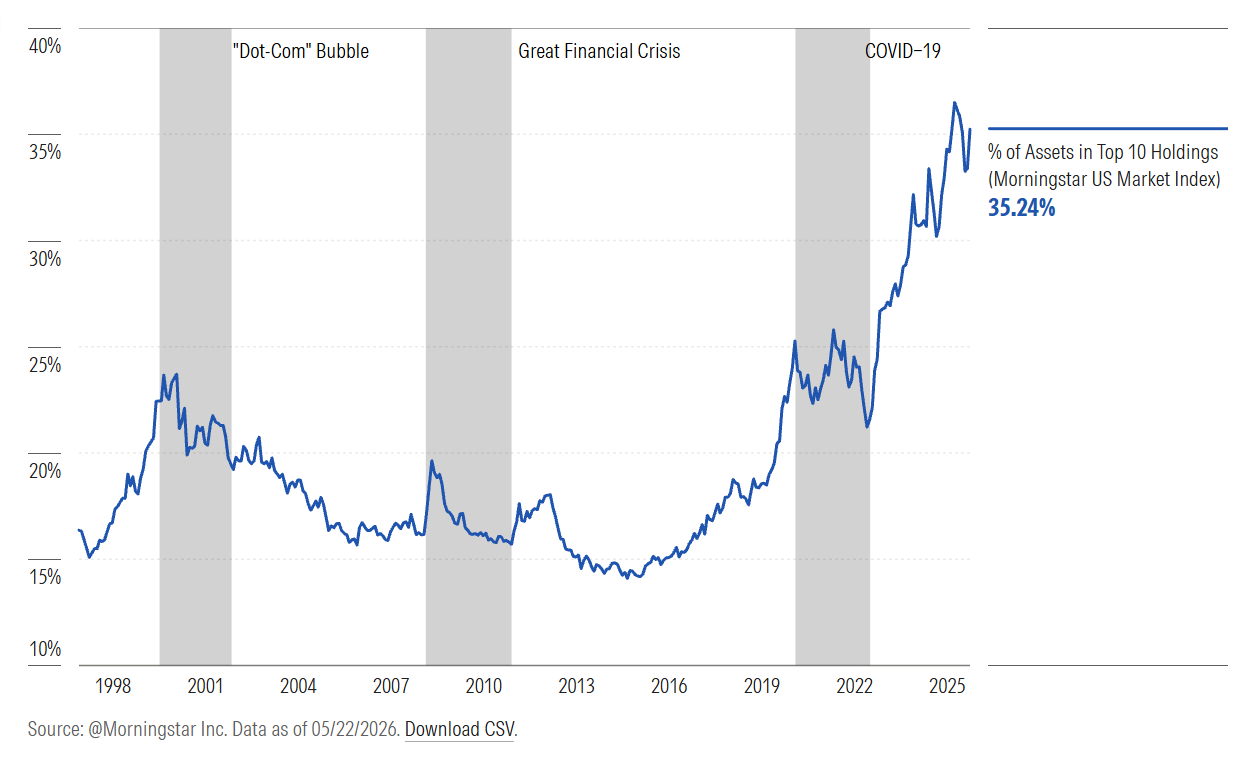
Source: Morningstar, “3 Years of the AI Stock Market Boom in Charts”, May 2026
The more interesting question is this: if confidence has returned, why might an investor become more cautious?
Rising markets often make investors feel safer. But when more and more of the market’s performance depends on a small number of companies, it’s worth asking whether risk is really falling – or simply becoming harder to see.
This question caught my attention while listening to a recent discussion between Akhil Patel and Tim Moffatt from Oakleigh.
They weren’t debating whether markets could move higher.
No, they were discussing something far more important: whether investors are paying enough attention to where we are in the real estate cycle.
Markets recover all the time. That’s nothing new.
What caught my attention was that Oakleigh’s response today is very different from its response during previous recoveries.
The rally may look familiar. Oakleigh’s reaction to it most certainly is not.
Back in late 2023, Oakleigh moved quickly to take advantage of opportunities created by market weakness.
Today, despite another strong rebound, they are taking a more cautious approach.
Why?
Because they believe where we are today matters.
Readers familiar with our work on the 18.6-year Real Estate Cycle will recognise this idea.
A rally early in a cycle is not the same as a rally later in a cycle. The price moves may be just as strong; some of the headlines might be just as bullish. But the risks are completely different. That’s a point most investors miss.
Markets don’t become less risky simply because prices move higher. Sometimes rising prices are precisely what convinces investors to stop worrying about risk altogether.
Rising markets can make us feel safer. Yet some of the strongest market gains often occur during the later stages of a cycle, when confidence is growing, and investors are becoming increasingly comfortable taking on risk.
That’s why understanding context matters.
Not because it predicts every market move, but because it helps explain why two market rallies that look similar on the surface may deserve a very different response from you.
Looking beyond the hype.
In Oakleigh’s latest market update, PSE Director Akhil Patel and Oakleigh Investment Management MD Tim Moffatt explain how this view is shaping their current thinking.
They discuss why capital preservation has become increasingly important, why they remain selective when assessing opportunities, and which areas of the market they are watching most closely.
You may agree or disagree with their conclusions. That’s entirely your choice.
The value comes from understanding the thinking behind them.
Especially at a time when so much financial commentary is focused on the bull market or the next headline rather than the bigger picture.
Click on the link below to hear Akhil and Tim’s latest thoughts on markets, risk, and opportunity: you can watch their latest market update at your leisure.
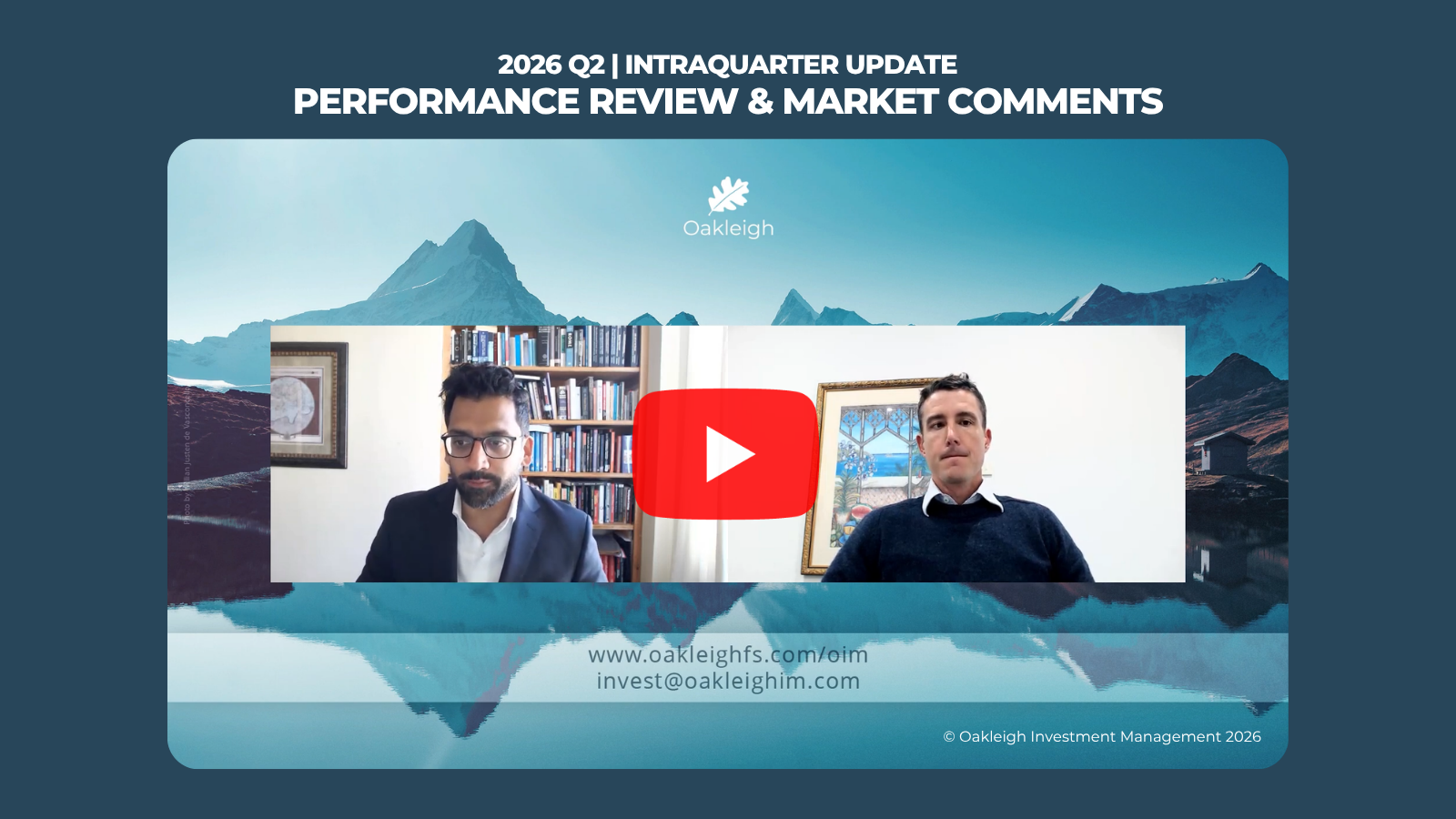
And if you would like ongoing access to Oakleigh’s current market views, quarterly portfolio reports, exclusive Q&A videos, and insights into what the team is watching and why, you can subscribe to Oakleigh’s free newsletter.
When everyone is viewing the markets the same way, it’s what they are all missing that becomes most important. And potentially your market edge.

Darren J Wilson
and your Property Sharemarket Economics Team

|


P.P.S – Find us on Twitter here and go to our Facebook page here. This content is not personal or general advice. If you are in doubt as to how to apply or even should be applying the content in this document to your own personal situation, we recommend you seek professional financial advice. Feel free to forward this email to any other person whom you think should read it.